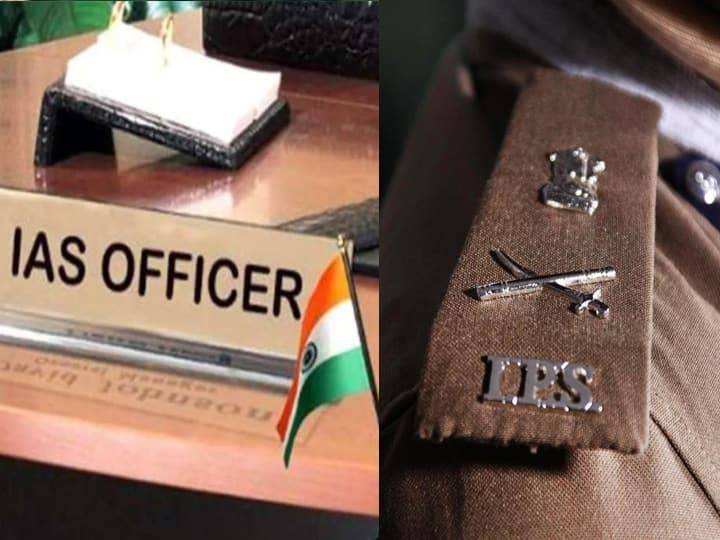
Hello dosto! Aaj hum ek bahut important aur sensitive topic par baat karenge – IAS aur IPS jaise bade sarkari afsaron ki selection mein 'caste system' ya reservation (aarakshan) ka kya role hai. Aksar logon ko iske bare mein poori jaankari nahi hoti, toh chalo aaj sab kuch simple language mein samajhte hain, beginner se pro level tak!
📑 Table of Contents
Reservation Kya Hai Aur Kyun? (Beginner Level)
Pehle samjho ki reservation hai kya. India mein historically kuch communities ko social aur educational disadvantages face karne pade hain. Unhe samaaj mein piche dhakel diya gaya tha.
Is inequality ko theek karne aur un communities ko mainstream mein laane ke liye, government ne reservation ki policy banayi. Isse unhe education aur sarkari naukriyon mein equal opportunities mil sakein. Majorly, ye communities hain:
- Scheduled Castes (SC): Dalit communities.
- Scheduled Tribes (ST): Adivasi communities.
- Other Backward Classes (OBC): Socially aur educationally backward sections.
Kuch saal pehle, Economically Weaker Sections (EWS) ke liye bhi 10% reservation introduce kiya gaya hai, jo General category ke un logon ke liye hai jo economically weak hain.
Har category ke liye reservation ka ek fixed percentage hota hai:
- SC: 15%
- ST: 7.5%
- OBC: 27%
- EWS: 10%
- General (Unreserved): Remaining seats.
UPSC Mein Reservation Ka Application (Intermediate Level)
Ab dekhte hain ki IAS/IPS banne ke liye jo UPSC Civil Services Exam (CSE) hota hai, usme reservation kaise kaam karta hai:
1. Application Stage:
- Jab aap UPSC CSE ka form bharte hain, tabhi aapko apni category (General, SC, ST, OBC, EWS) mention karni hoti hai.
- Agar aap reserved category se hain, toh aapko relevant caste certificate submit karna hota hai.
2. Prelims, Mains aur Interview:
- UPSC CSE mein teen stages hoti hain: Prelims, Mains (written exam) aur Interview.
- Har stage par, har category (General, SC, ST, OBC, EWS) ke liye alag-alag cut-off marks decide kiye jaate hain.
- Typically, reserved categories (SC, ST, OBC, EWS) ke liye cut-off marks General category se kam hote hain.
- Important Point: Agar koi reserved category ka candidate General category ke cut-off marks ko clear karta hai aur uski merit General candidate se better hai, toh use General seat par consider kiya jata hai. Isse 'meritorious reserved candidate' kehte hain. Woh apni category ki reserved seat ko use nahi karta.
3. Final Merit List aur Service Allocation:
- Saari stages clear karne ke baad, UPSC ek final merit list banata hai.
- Is list mein candidates ko unki rank, preferences (IAS, IPS, IFS, IRS, etc.), aur category ke hisaab se services allot ki jaati hain.
- Higher rank wale candidates ko usually unki preferred service (jaise IAS) mil jaati hai. Reservation se aaye hue candidates bhi top ranks mein aa sakte hain aur best services pa sakte hain.
Deeper Dive: Creamy Layer, Constitutional Aspects aur Debates (Pro Level)
Ab thoda aur detail mein chalte hain:
1. Creamy Layer (OBC):
- OBC reservation mein ek bahut important concept hai 'Creamy Layer'.
- Iska matlab hai ki OBC community ke wo log jo economically aur socially strong hain (jaise jin parents ki income ek certain limit se zyada hai, ya jo parents already high-ranking government official hain), unke bachon ko OBC reservation ka fayda nahi milta.
- Ye isliye kiya gaya hai taki reservation ka fayda sirf un logon tak pahuche jinhe sach mein zaroorat hai, aur inequality ko kam kiya ja sake.
2. Constitutional Provisions:
- Indian Constitution ke Articles 15 aur 16 mein reservation ke baare mein baat ki gayi hai.
- Article 15 discrimination (bhedbhav) ko prohibit karta hai, lekin states ko special provisions banane ki ijaazat deta hai for the advancement of any socially and educationally backward classes or for Scheduled Castes and Scheduled Tribes.
- Article 16 equal opportunity ki baat karta hai public employment mein, aur states ko power deta hai to make provisions for reservation of appointments or posts in favour of any backward class of citizens.
3. Debates & Criticism:
Reservation ka topic hamesha se debate ka mudda raha hai. Kuch common arguments hain:
- Merit vs. Reservation: Kuch log kehte hain ki reservation merit ko compromise karta hai aur kam marks wale logon ko high positions par le aata hai.
- Backwardness Measurement: Kya sirf caste hi backwardness ka sole criteria hona chahiye? Ya income aur dusre factors ko bhi dekhna chahiye?
- Duration: Kitne time tak reservation rehna chahiye? Kya iski koi time limit honi chahiye?
- Benefit Distribution: Kya reservation ka fayda sirf kuch privileged reserved families tak hi seemit reh jata hai, aur jo sach mein zarooratmand hain un tak nahi pahunch pata?
Reality Check: Ye important hai ki IAS/IPS banne ke baad, sabhi officers – chahe wo General category se aaye hon ya reserved category se – ek hi rules aur regulations ke andar kaam karte hain. Unka kaam unki category nahi, unki ability, integrity aur performance par depend karta hai.
FAQs (Frequently Asked Questions)
Q1: Kya reserved category ke log General seat le sakte hain?
A1: Haan, bilkul. Agar reserved candidate General category ke cut-off marks clear karta hai aur General candidate se zyada merit mein hai, toh use General seat hi allot ki jayegi. Isse "meritorious reserved candidate" kehte hain. Woh apni category ki reservation ka fayda nahi uthata, balki apni merit par General seat leta hai.
Q2: Kya reservation sirf entry tak hi hai ya promotions mein bhi?
A2: UPSC CSE ke through services mein entry (recruitment) ke liye reservation lagoo hota hai. Promotions mein reservation ek bahut complex aur debated topic hai, jahan Supreme Court ke kai rulings aaye hain. Generally, direct recruitment mein reservation zyada clearly defined hai, jabki promotions mein is par aksar legal challenges aate rehte hain.
Q3: Kya General category ke liye koi reservation nahi hota?
A3: General category ke liye traditionally caste-based reservation nahi hota tha. Lekin, recently 'Economically Weaker Sections' (EWS) ke liye 10% reservation introduce kiya gaya hai. Ye General category ke un logon ke liye hai jo certain economic criteria poore karte hain aur jinhe financially support ki zaroorat hai.
💬 Leave a Comment
Recent Comments
Be the first to comment!